However large they are, kitchen cabinets always seem to run out of room. Dishes end up stacked, food packets disappear at the back, glasses take far too much space, and finding one simple thing means moving five others. Most of the time the problem is not too little space, but space that is not used well. This guide explains the kinds of cabinet organiser, what each is for, and how to choose the right one.
6 min readUpdated
Cabinet organiser buying guide: choosing the best model for your kitchen
However large they are, kitchen cabinets always seem to run out of room. Dishes end up stacked, food packets disappear at the back, glasses take far too much space, and finding one simple thing means moving five others. Most of the time the problem is not too little space, but space that is not used well. This guide explains the kinds of cabinet organiser, what each is for, and how to choose the right one.
6 min readUpdated
The kinds of organiser and what each is for
The first mistake is to judge an organiser by its look. Something that looks useful in a photo may not suit your cabinet. The best organiser is not the largest or the most elaborate, but the one that turns a wasted space into a useful one. For an overview of every type, see our guide to the types of cabinet organiser.
Tiered organisers: the simplest way to use height
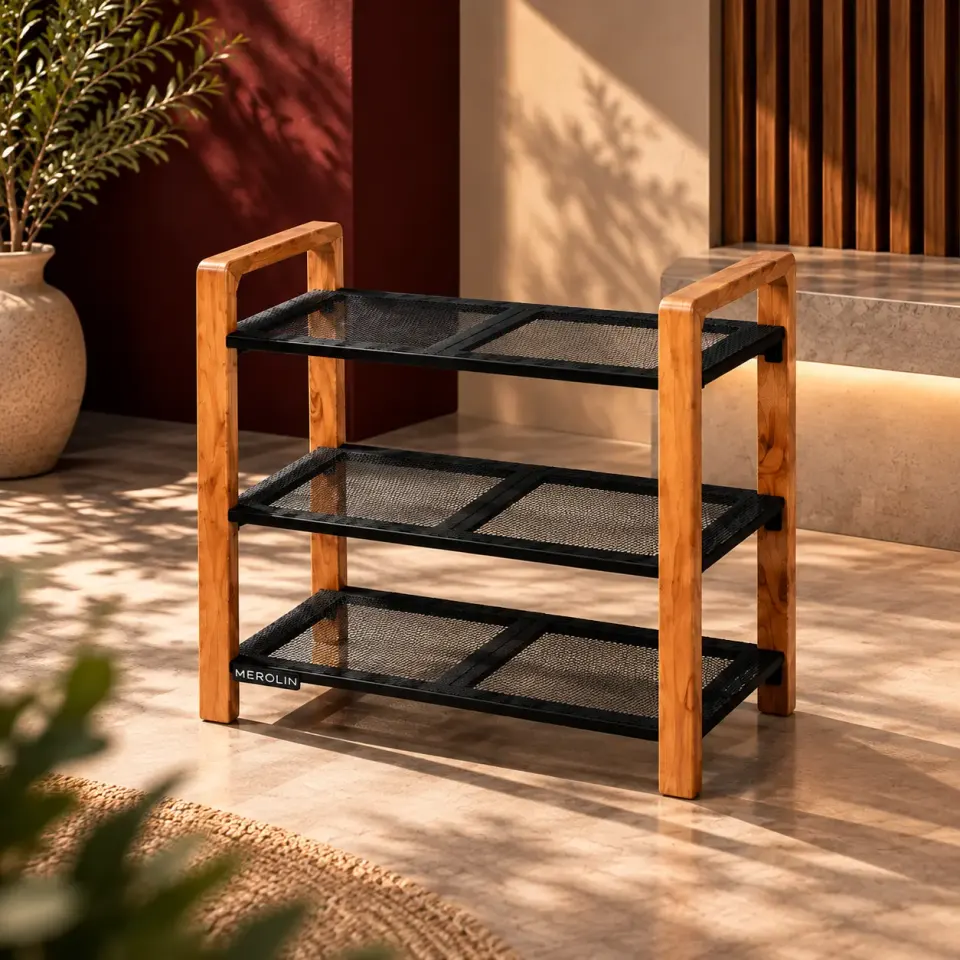
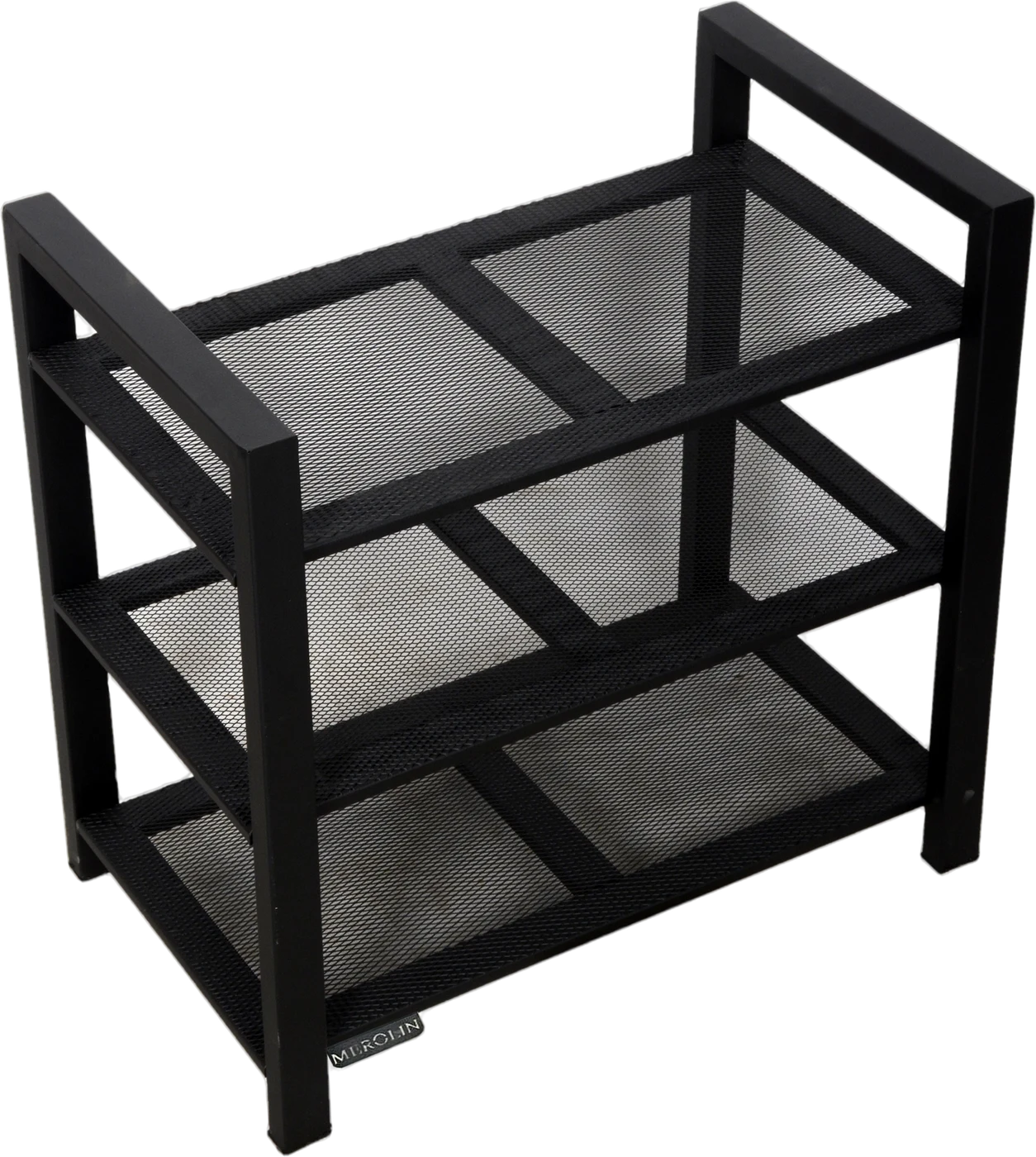
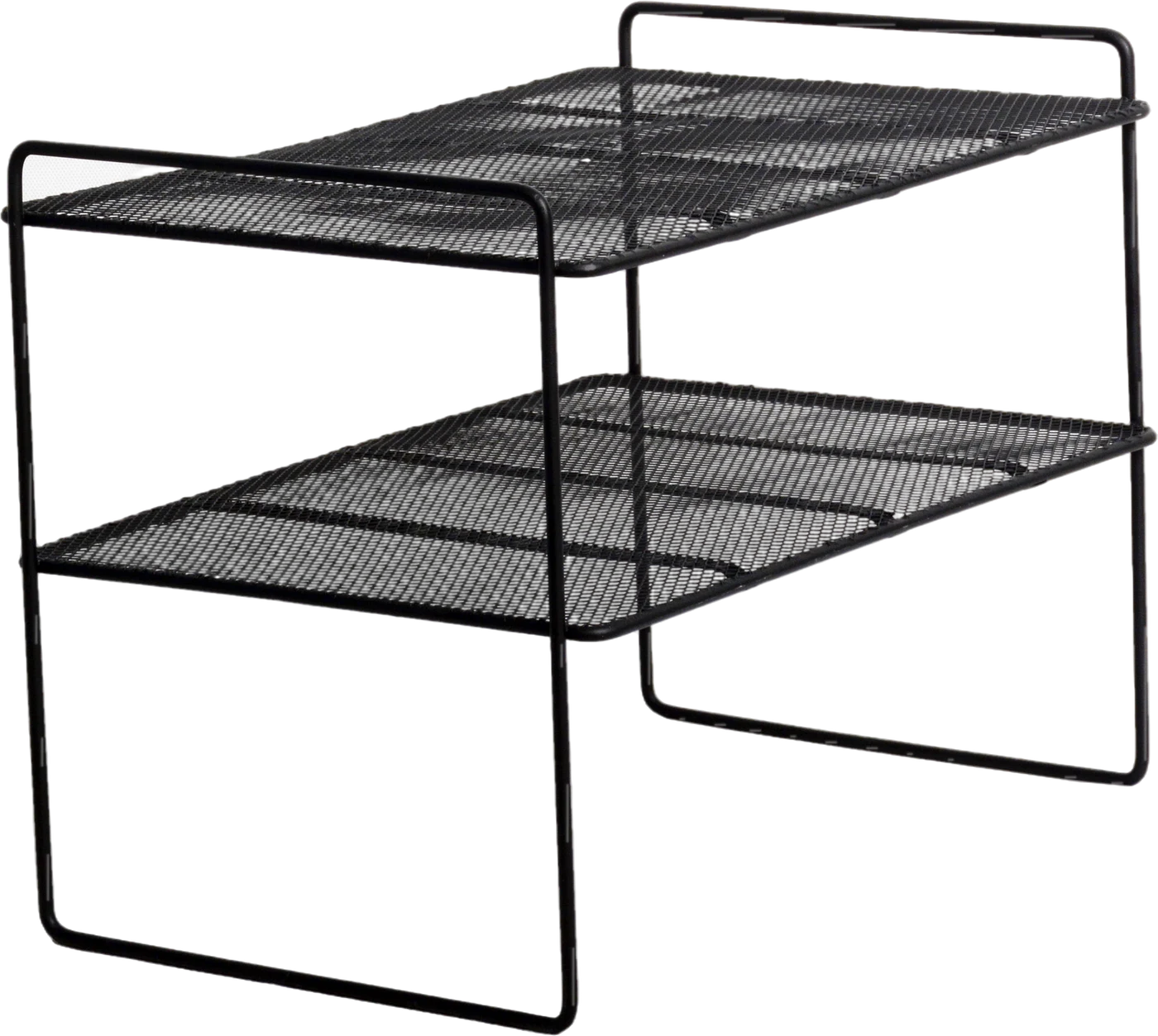
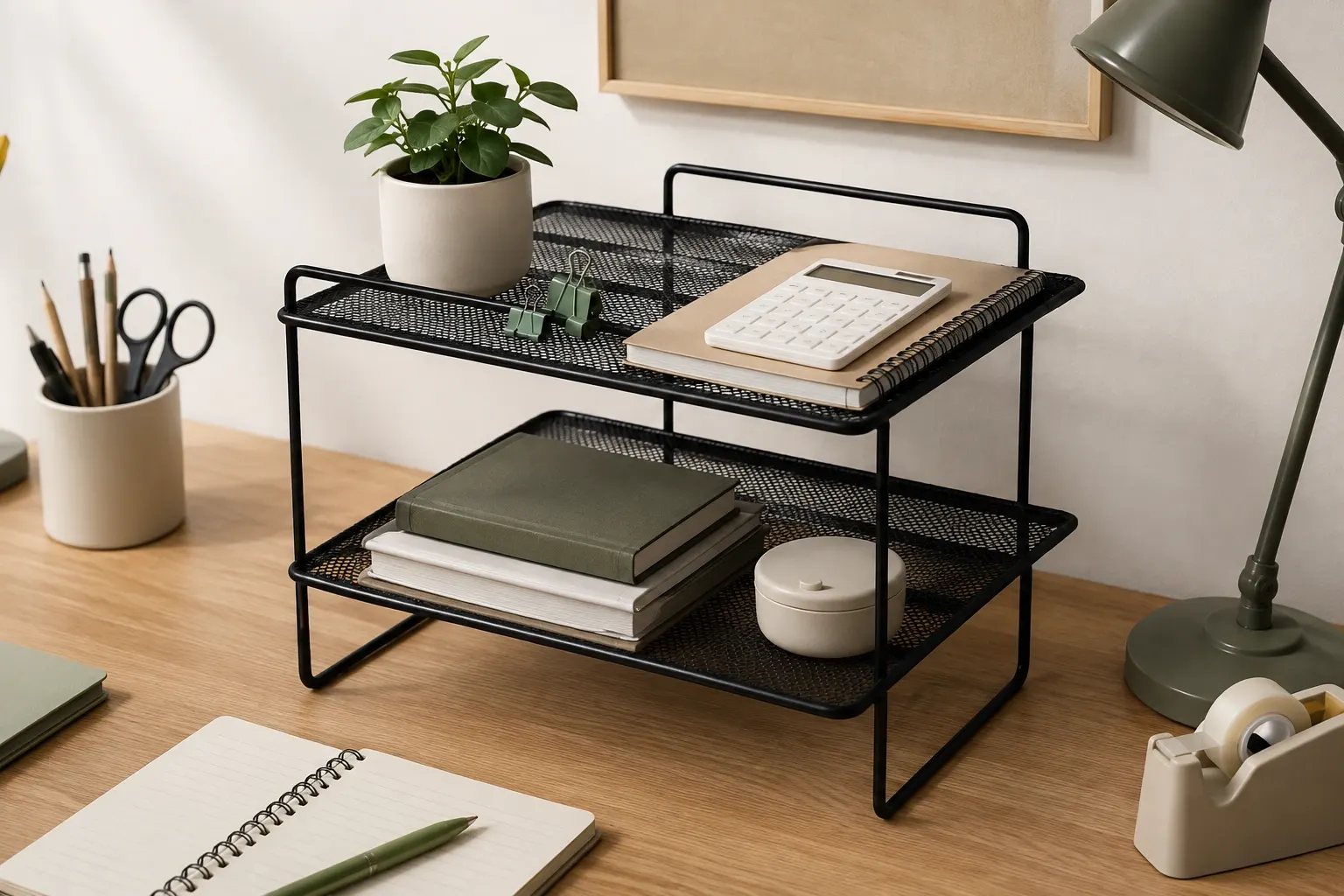
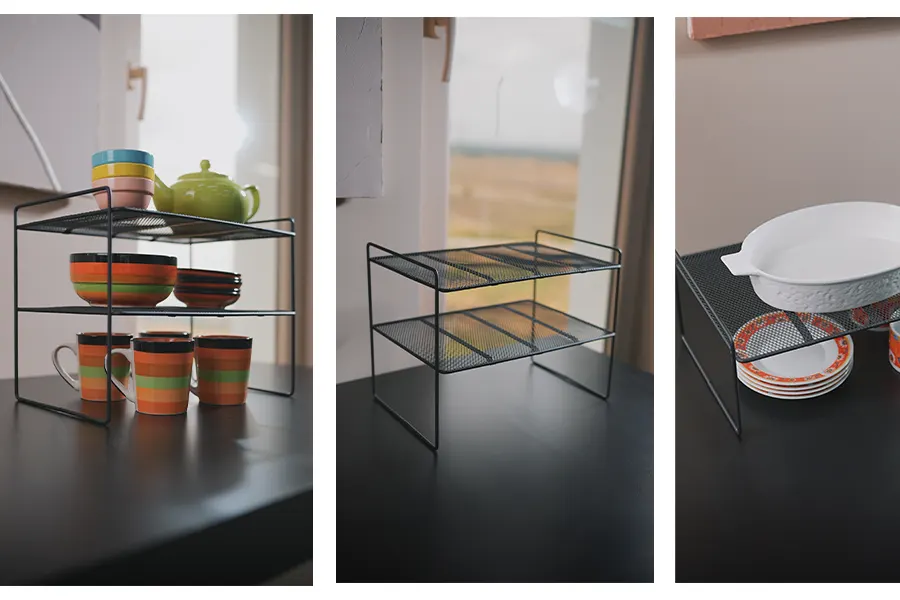
Picture a cabinet shelf with a few plates on it. There is usually a lot of empty space above them, but you cannot add a fixed shelf. A tiered organiser or shelf insert stands in that space and creates a second level, plates below and bowls or cups above.
Spice organisers
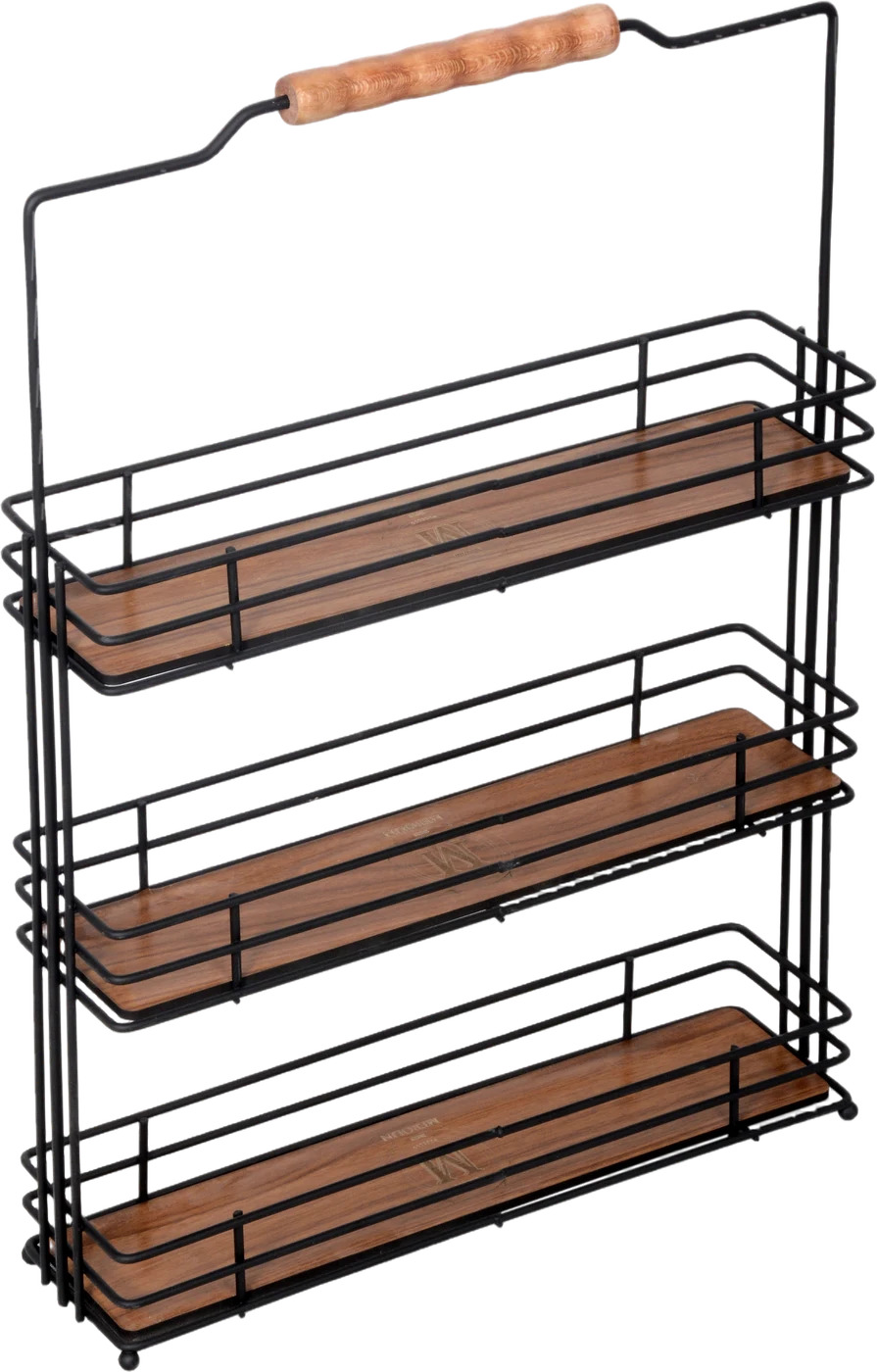
Spices, condiments and small jars quickly crowd a cabinet. In a deep cabinet you may have to move several jars to find one. A tiered spice rack keeps every jar in sight.
Dish organisers: no more tall stacks
Stacking dishes is simple, but it makes the bottom ones hard to reach and raises the chance of breakage. Dish organisers give each group its own place.
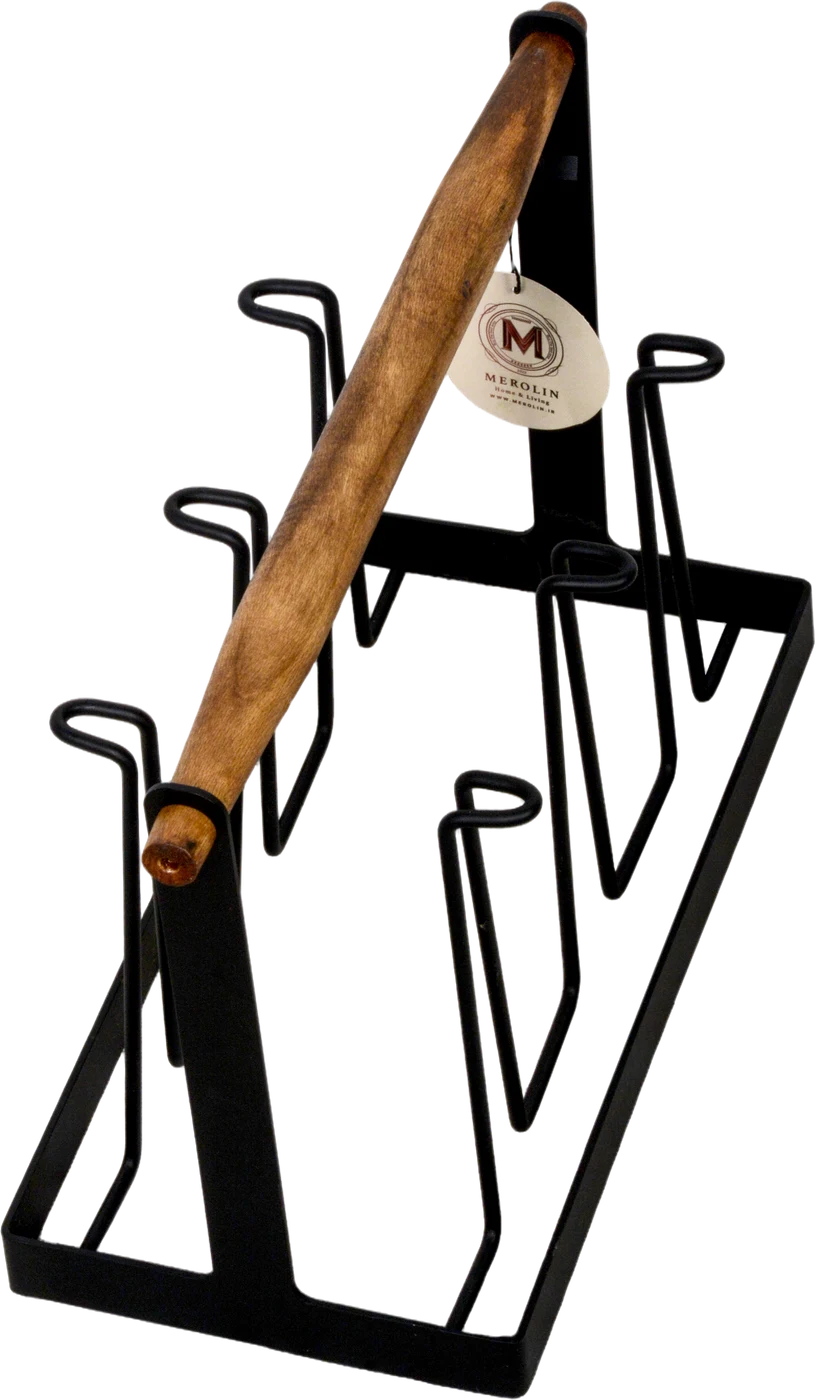
Cup and glass organisers
Cups and glasses take a lot of room when they all stand on one level. An organiser that holds them on two or more levels makes better use of the cabinet’s height.
Food organisers: the end of crowded cabinets
Packets, tins, pulses, pasta, tea and coffee quickly become a muddle if they are not grouped. Sort them by use, breakfast things, cooking basics, snacks, and give each group its own level or basket.
What a shelf insert is, and how it helps
A shelf insert is one of the simplest and most useful organisers: an extra level that stands inside the existing space and lets you use more of the cabinet’s height. Imagine a 40 cm-tall cabinet whose dishes are only 15 cm high: more than half the height is wasted, and an insert turns it into a second shelf.
Why it works so well
You do not have to rebuild the cabinet. In most cases the insert simply stands inside, giving more usable levels, easier reach to dishes, fewer stacks and a neater cabinet.
How to “double” a cabinet’s space
Doubling a cabinet’s space rarely means building new space; it means using space that was already there. Before you think about more space, use what you have.
1. Use the height
Most people arrange a cabinet by its floor, but its height is one of its most valuable parts. A good shelf insert can almost double the usable space of a tall cabinet.
2. Put everyday things where they are easiest to reach
A cabinet where you must move several things to reach one may look tidy but does not work. A good arrangement is visible, reachable and easy to put back.
3. Keep similar things together
Plates together, cups together, spices together, dry food together, pans together. This simple rule cuts visual clutter and speeds everything up.
4. Clear the worktop
When spices, small dishes and food packets have a place in the cabinet, the worktop stays clear, which matters most in a small kitchen.
Can organisers be used in a wardrobe?
Yes, as long as the size suits the space. The same principles apply: the wardrobe’s height, the empty space between shelves and the parts that are too high to use can all be organised with shelves and inserts.
How to choose the best cabinet organiser
The answer is not the same for every home. A model that is perfect for a small kitchen may not suit a large cabinet or a big family.
1. Measure the space
Note the width, depth and height. A few millimetres can decide whether an organiser is easy to use, so measure the usable space, not just the cabinet.
2. Decide exactly what you want to organise
Plates and dishes need a dish organiser; spices and small jars need a spice rack; if the problem is wasted height, a shelf insert or tiered organiser is the answer.
3. Think about weight
Not every organiser is made for heavy things. For dishes, pans and heavy items, the strength of the structure, the joints and the load capacity matter.
4. Check the material and build
Cabinets face moisture, steam, grease and changes in temperature. A steel organiser with a good finish lasts well, though build quality and the finish make the difference.
5. Make sure it is easy to clean
A good organiser should not collect dust and grease itself. Simple designs and easy-to-clean surfaces keep it looking good.
What the best organiser looks like
In short: it fits your space, solves a specific problem, turns wasted space into useful space, is strong enough for its job, makes things easier to reach, and is easy to clean.
Merolin cabinet organisers
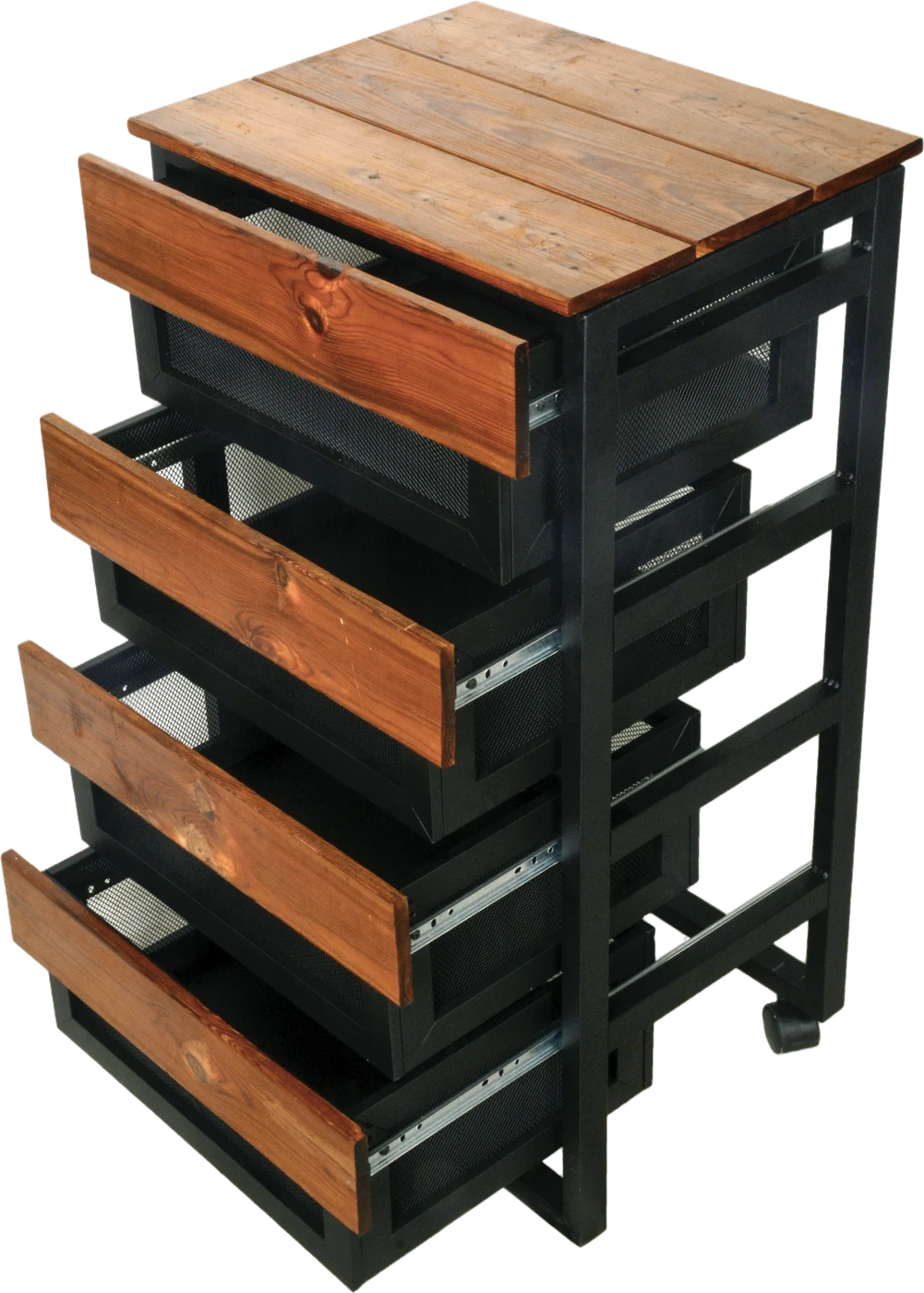
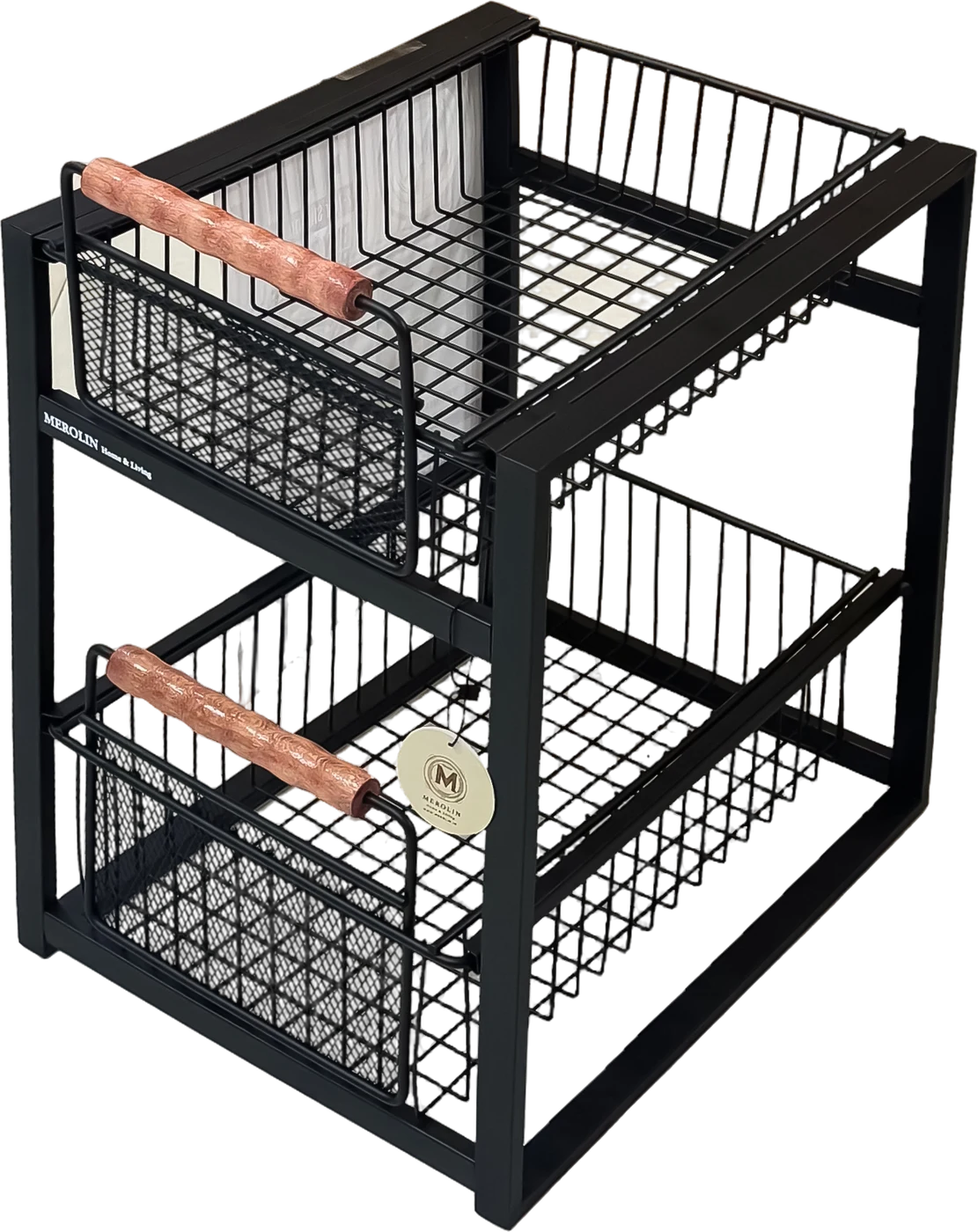
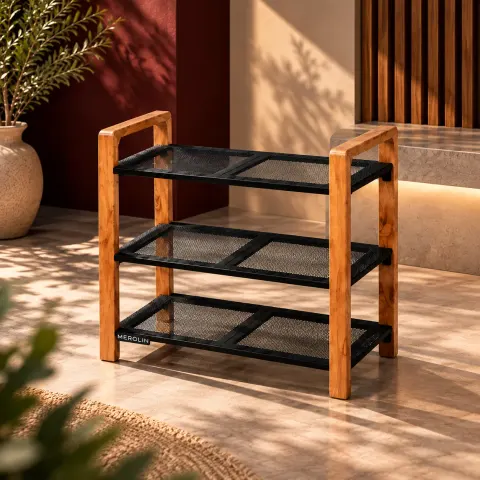
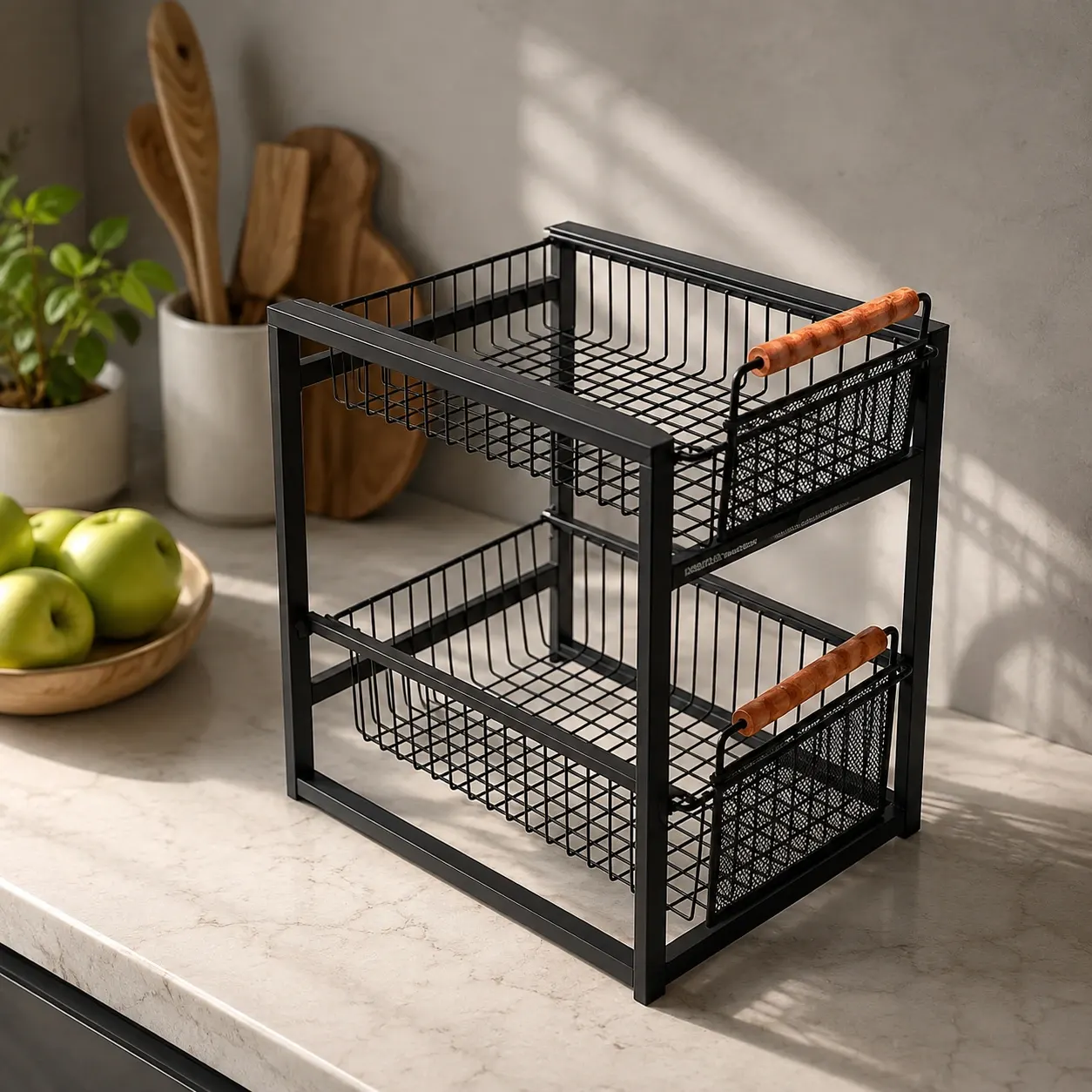
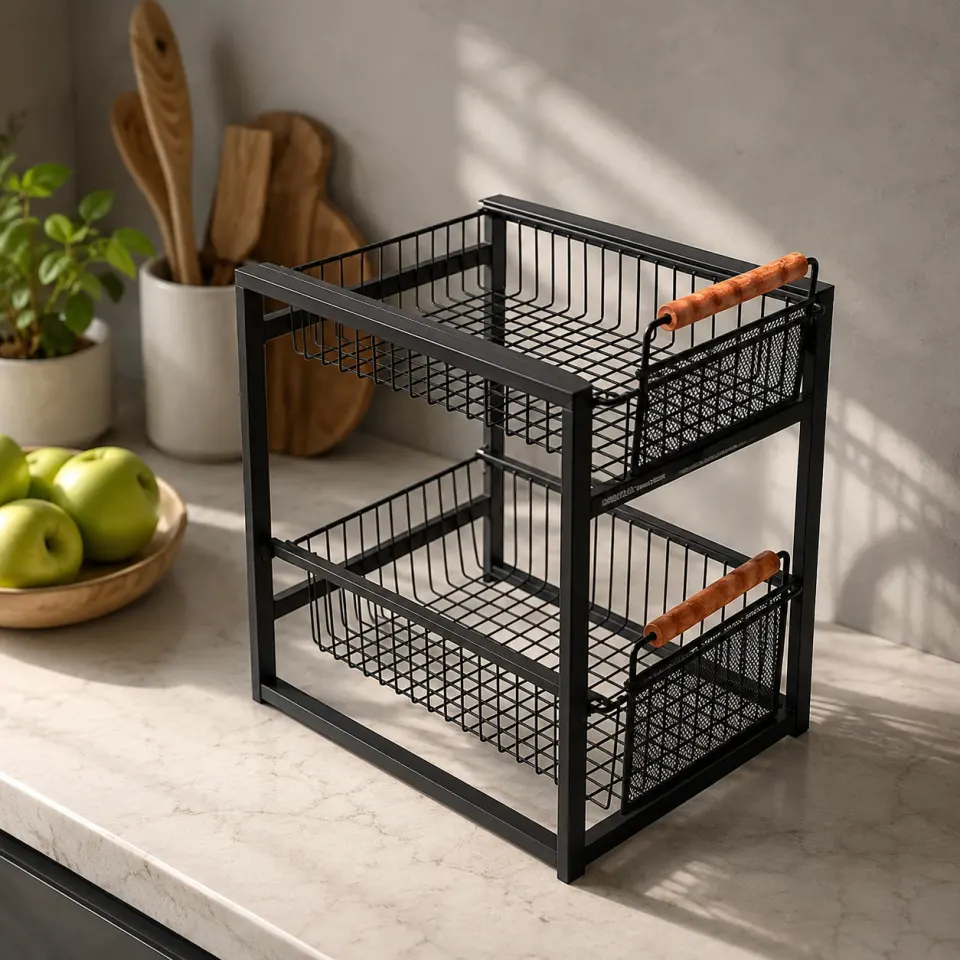
Merolin’s organisers are designed to make better use of a cabinet’s height and keep everything within reach. The one-tier Taghche shelf adds one more level; the two-tier Taghche shelf suits taller cabinets; and the Elite organiser brings the back of a deep cabinet out to you on two sliding baskets. For wholesale orders, talk to our sales team.
In short: where to start
If this whole guide fits in one sentence: first find the wasted space, then choose the organiser that suits it. You rarely need new cabinets to bring order to a kitchen; often one well-chosen organiser is enough.
What is a cabinet organiser?
Something designed to sort things better and use the space inside a cabinet more efficiently, by adding a level or dividing the space, so everything is easier to reach.
Which cabinet organiser is best?
It depends on the space. If wasted height is the problem, shelf inserts and tiered models suit; there are also organisers made for dishes, spices, food and small things.
What should I check when buying one?
The size of the space, the material and build, strength, capacity, the weight of what you store, ease of reach and ease of cleaning.
What organiser suits a small cabinet?
Models that use the vertical space without taking much floor area. Tiered shelf inserts are especially useful.
Not sure which to choose?
Merolin's sales advisers are here to help.