There is usually more space inside a cabinet than we actually use. When dishes, pans, food and everything else sit on one shelf, much of the cabinet’s height is lost, and the things at the back become hard to reach. Cabinet organisers fix exactly that, and each kind is made for a different job.
5 min read
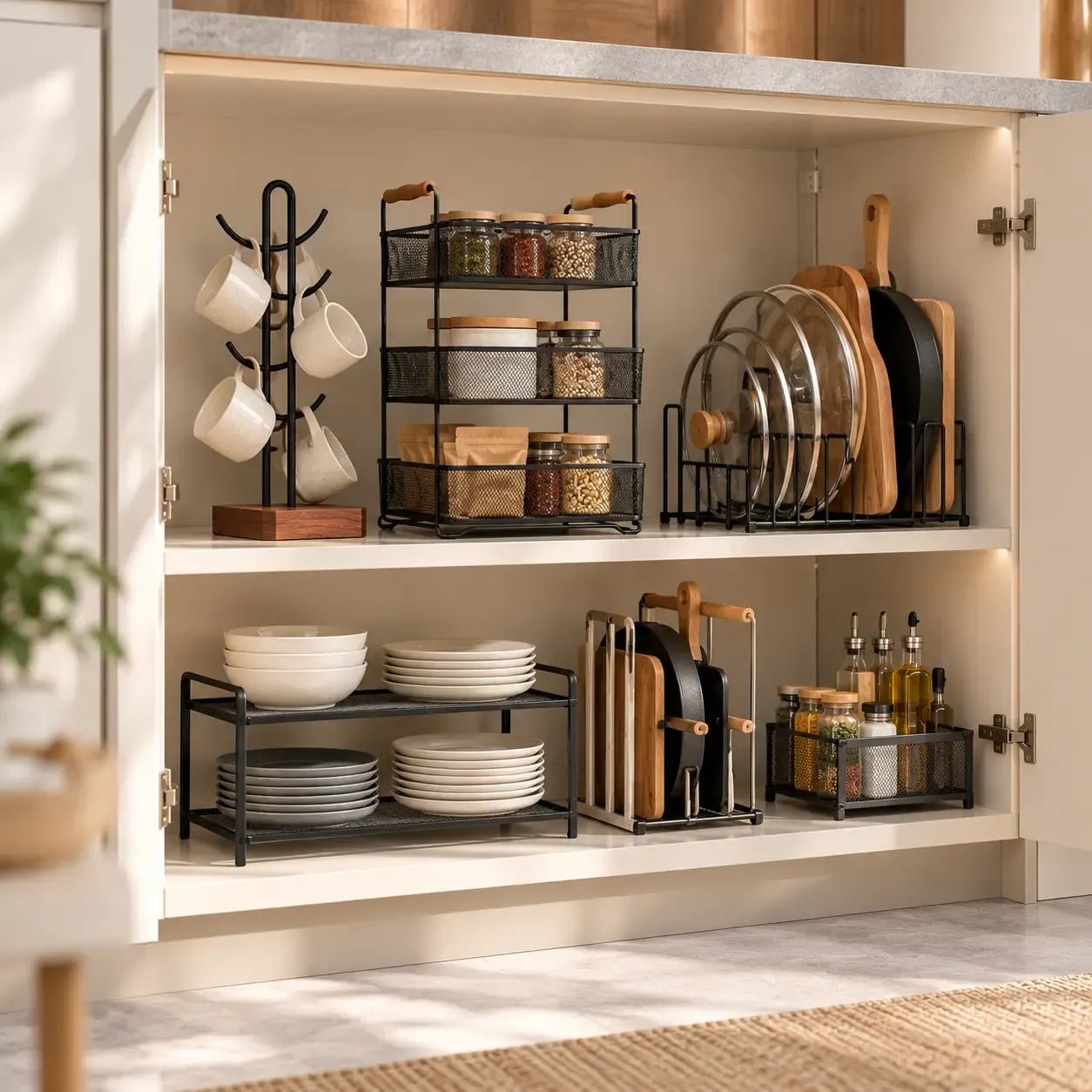
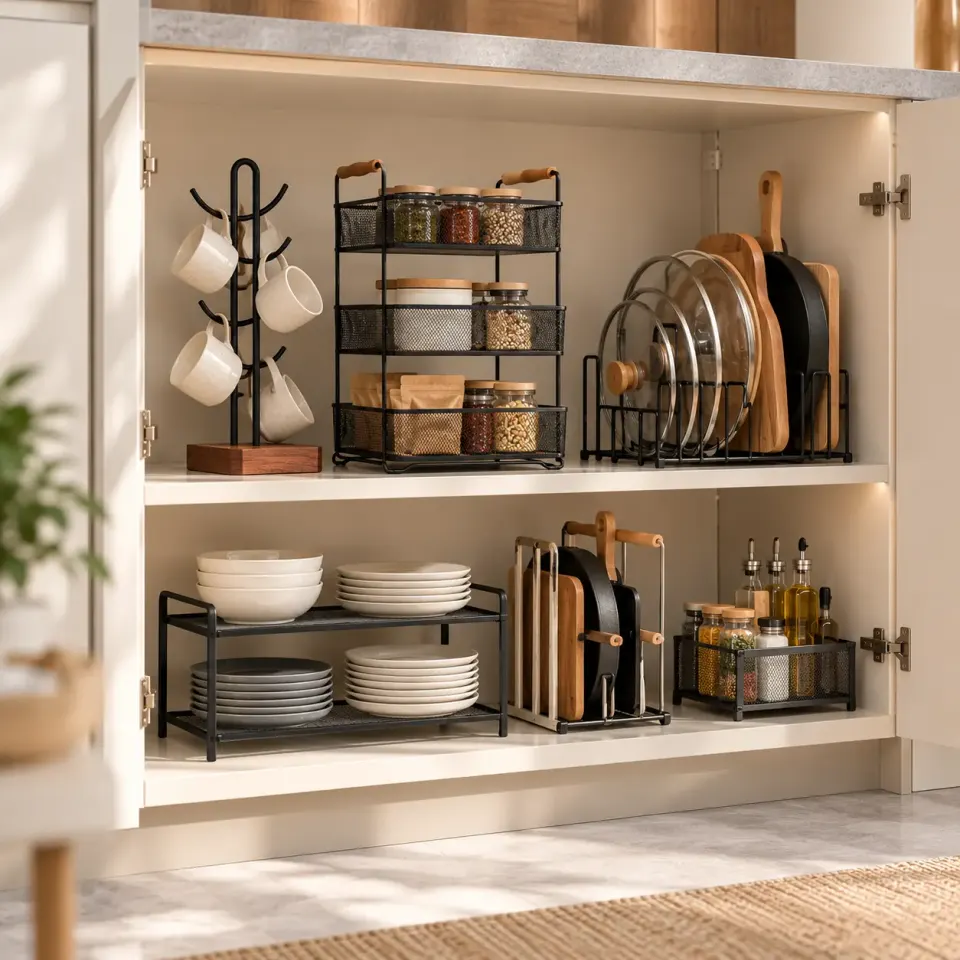
Types of cabinet organiser: practical models for the kitchen
There is usually more space inside a cabinet than we actually use. When dishes, pans, food and everything else sit on one shelf, much of the cabinet’s height is lost, and the things at the back become hard to reach. Cabinet organisers fix exactly that, and each kind is made for a different job.
5 min read
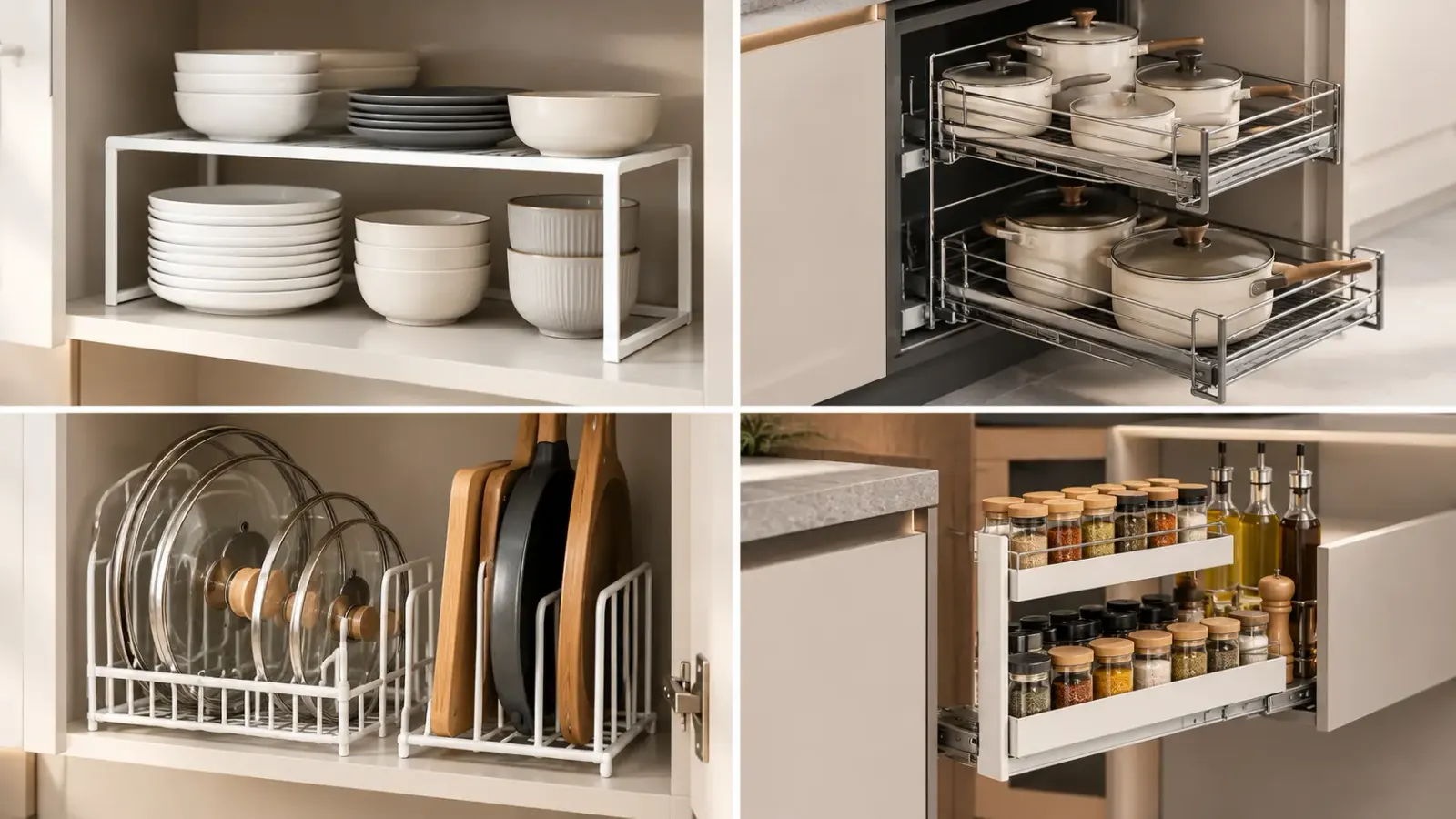
The main types of cabinet organiser
Organisers can be grouped by shape, where they go and what they hold. The most common are listed here.
1. The shelf insert
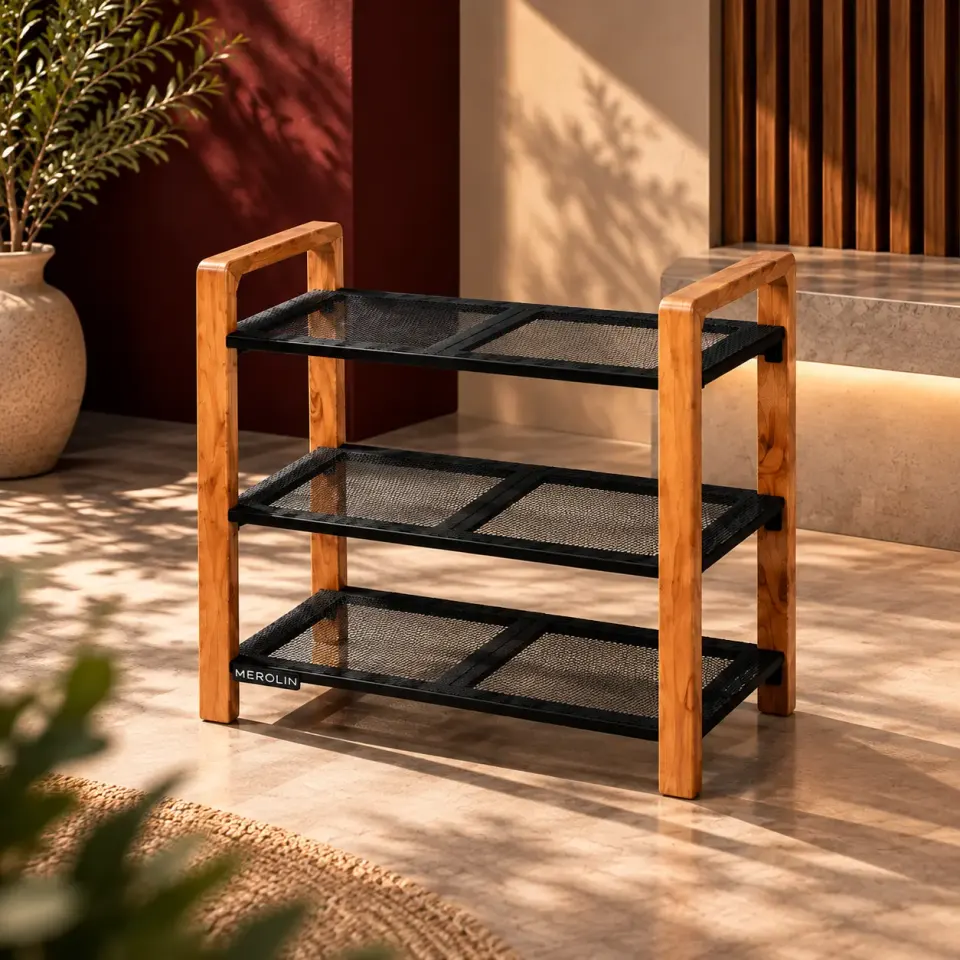
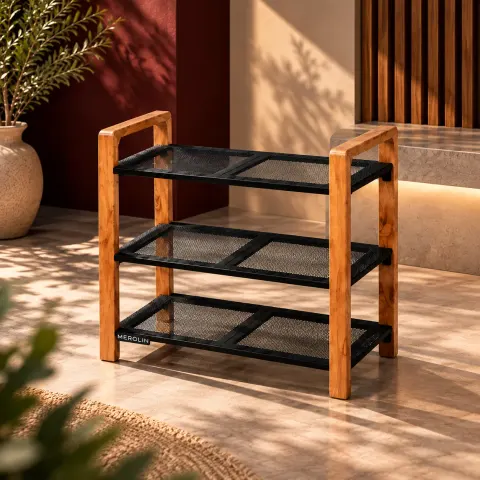
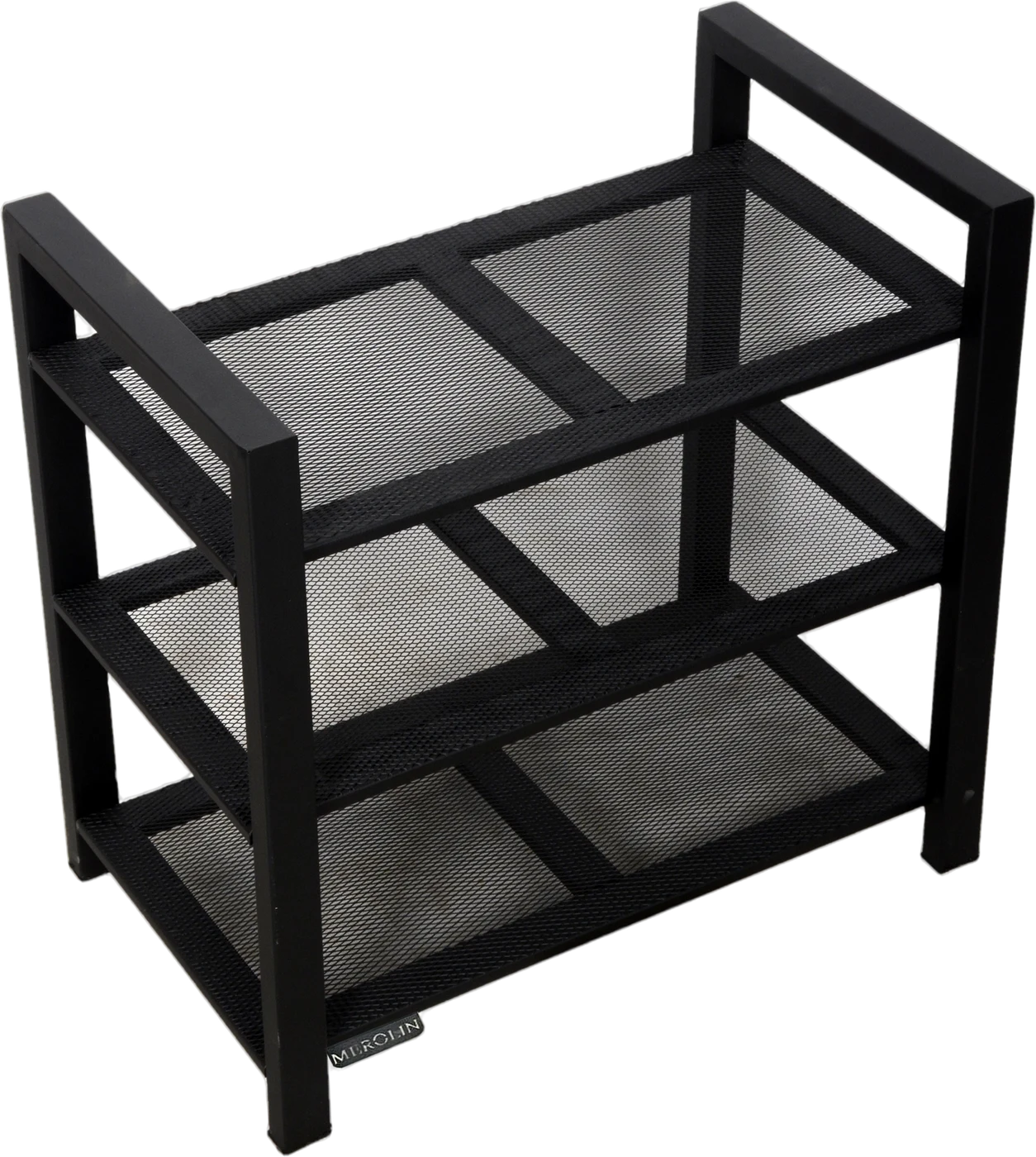
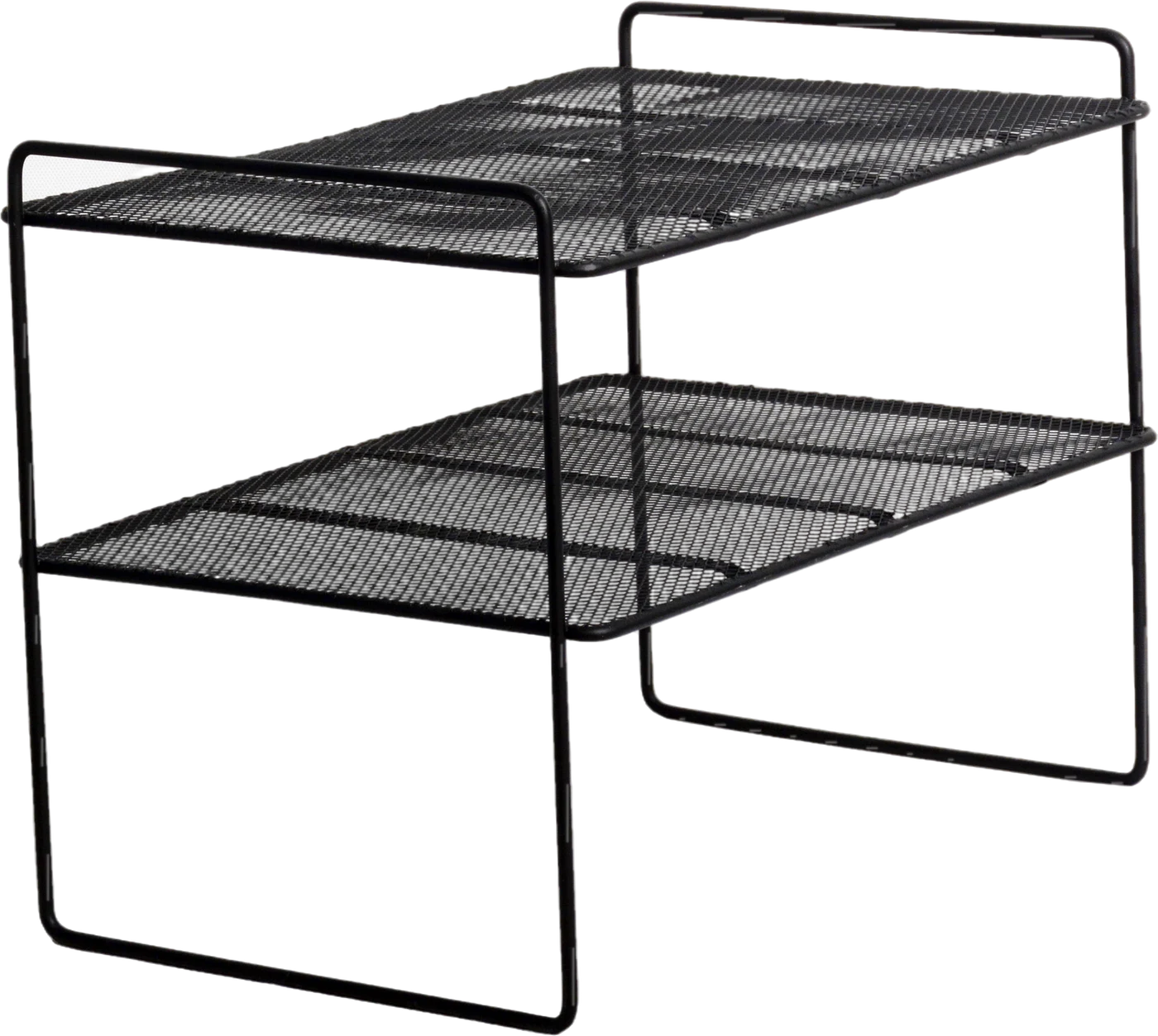
One of the simplest and most useful: it adds a second level above the cabinet floor, turning one shelf into two usable spaces, plates above and bowls below, for example. Read more in what a shelf insert is and how it helps.
2. The tiered organiser
Close to a shelf insert, but with two or more separate levels. It is made to use the cabinet’s height, for dishes, glasses, food packets, spices and small kitchen things.
3. Dish and plate organisers
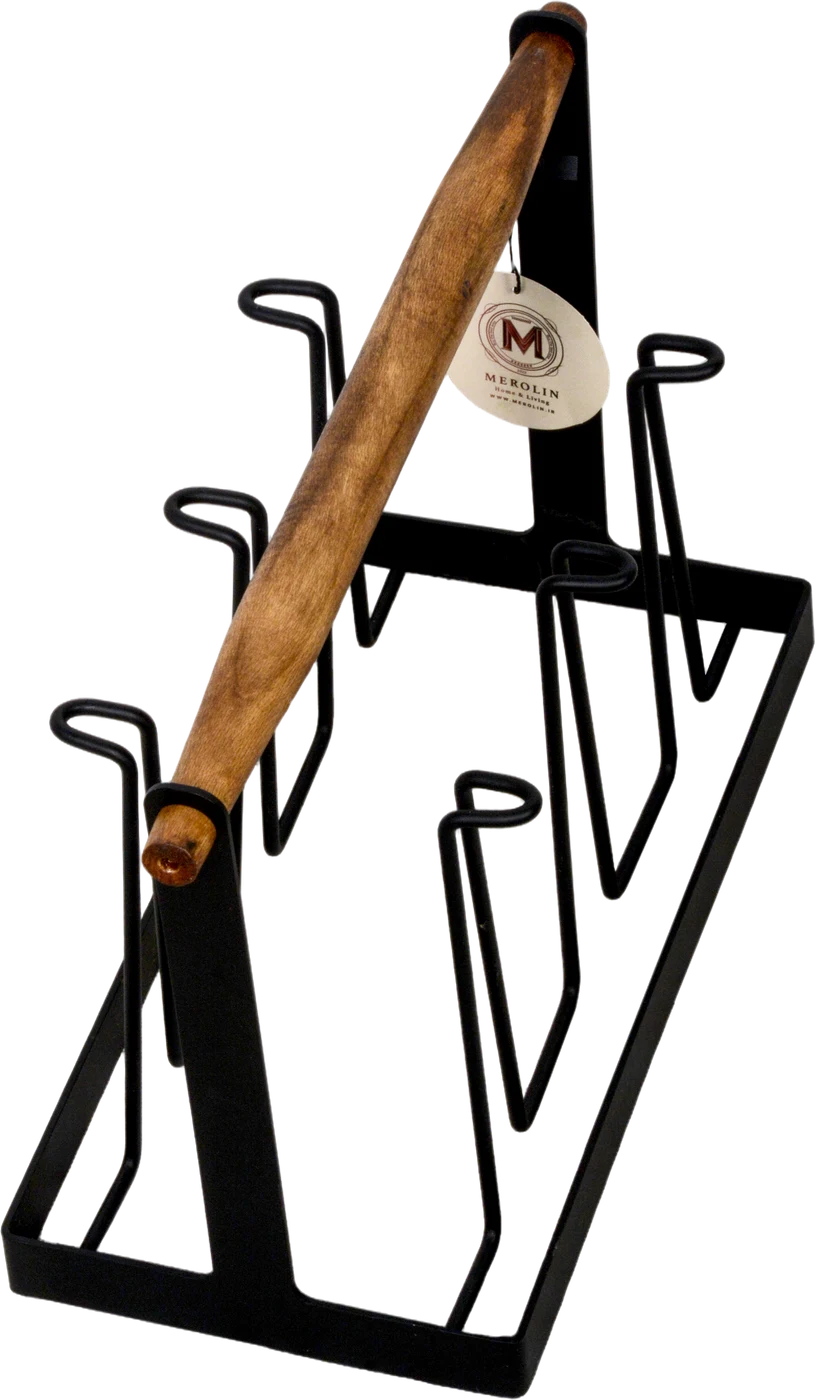
A tall stack of plates looks tidy, but you have to lift several to reach the one at the bottom. Dish organisers give plates, side plates and bowls their own places, some horizontal and some upright.
4. Pan and pot organisers
Pans of different sizes with long handles make one of the messiest corners of the kitchen. Pan racks hold them on separate levels, so you can take one out without unstacking the rest.
5. Lid organisers
Lids take little space but are hard to stack. Lid racks give each lid its own slot, so you can lift one without moving the others.
6. Spice and bottle organisers
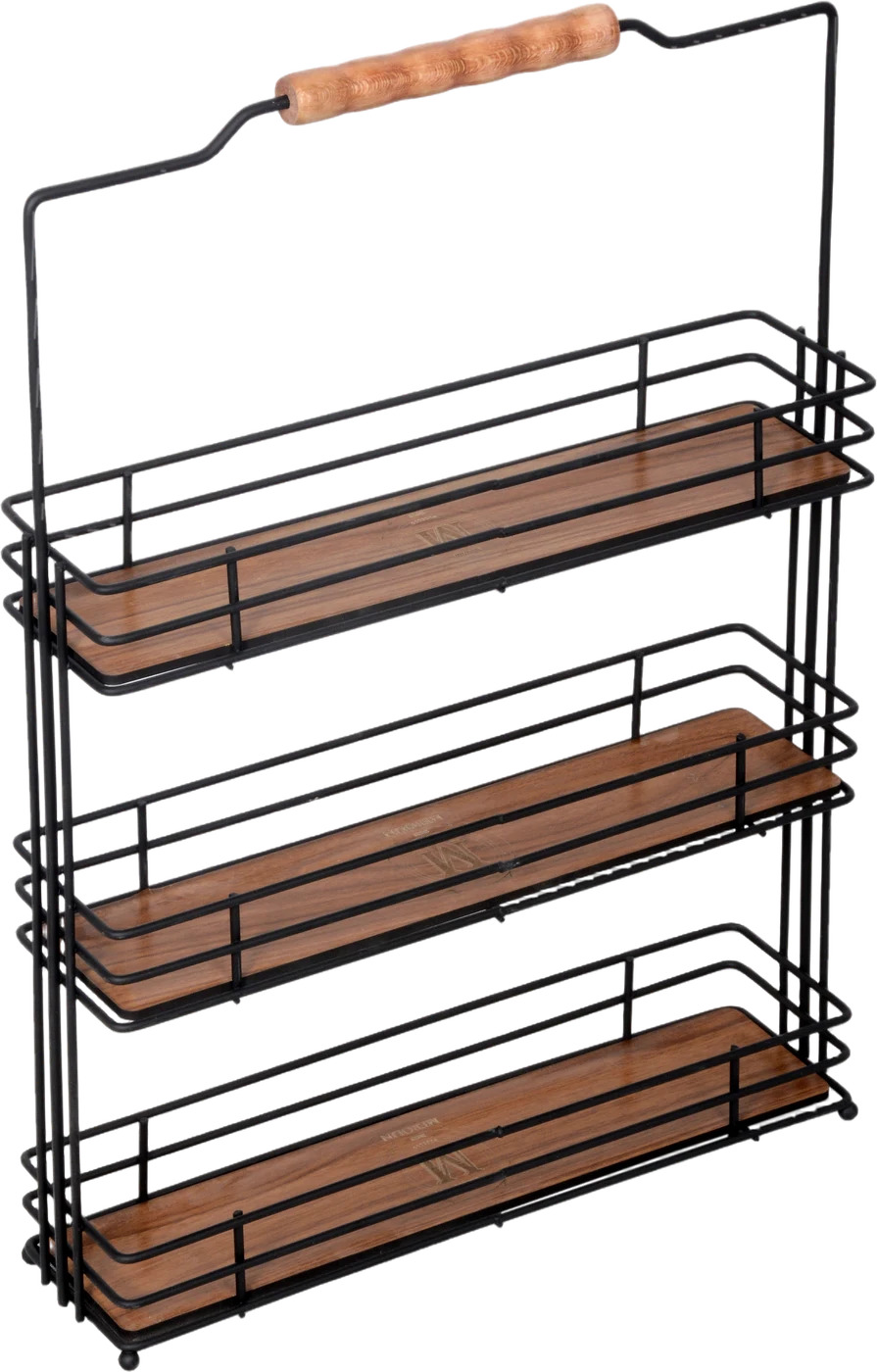
Many spice jars, sauces and small bottles quickly crowd a cabinet, especially when small jars hide behind big ones. Spice racks are usually tiered, so the jars at the back stay visible.
7. Under-sink organisers
Pipes make the space under the sink awkward, yet it usually holds cleaning products, cloths and bin bags. Under-sink organisers are tiered, sliding or made of separate baskets that work around the pipes.
8. Sliding organisers
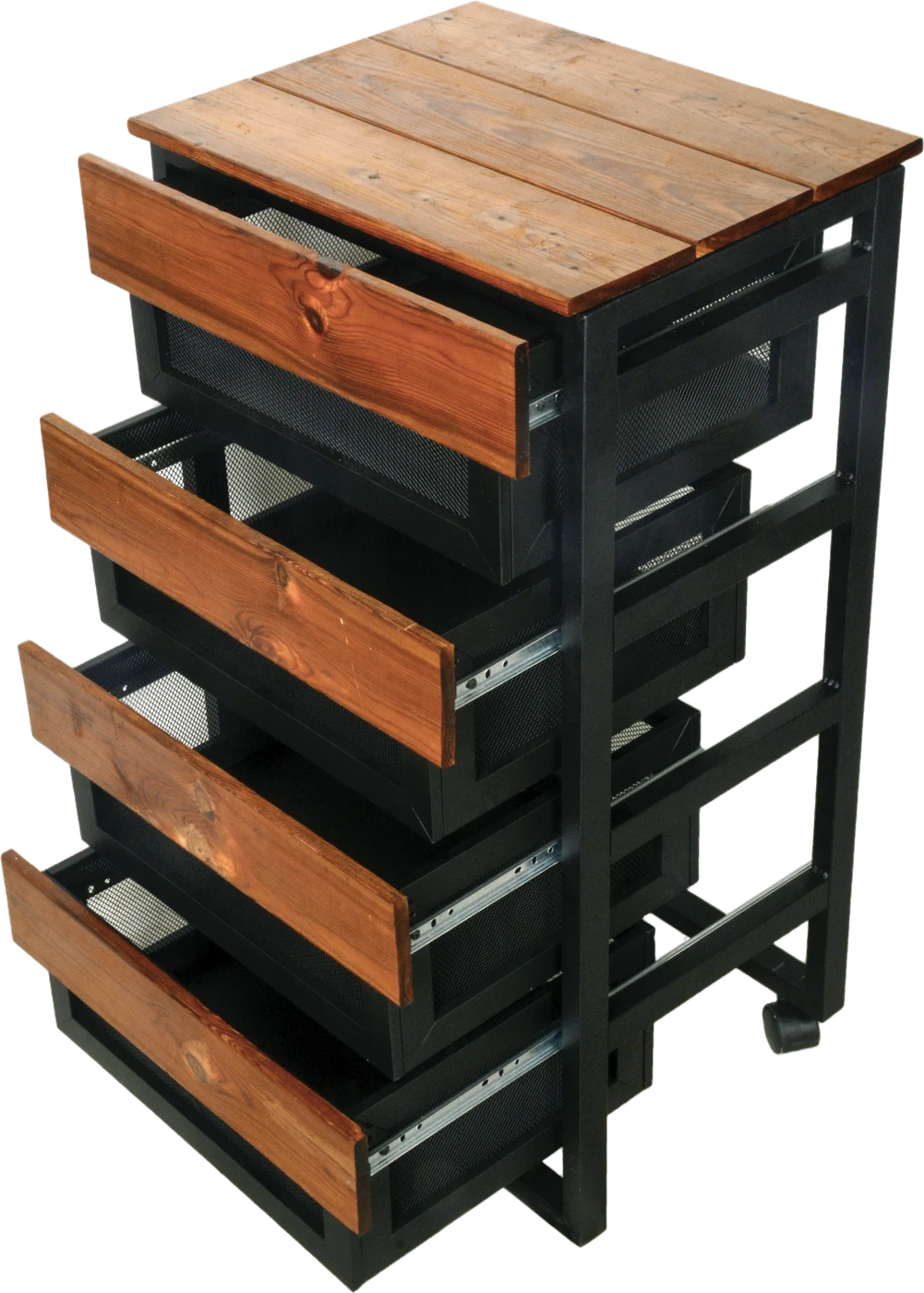
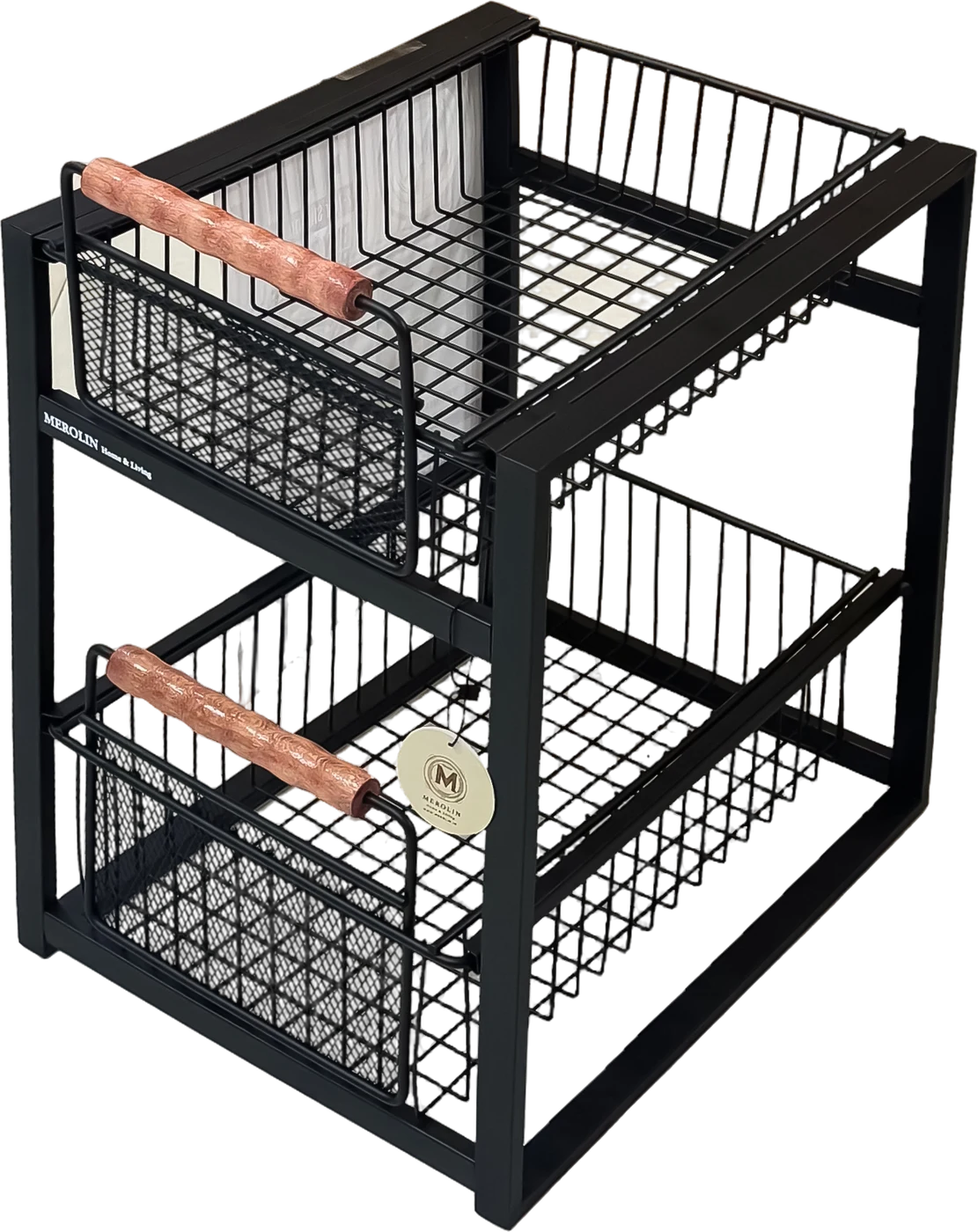
In deep cabinets, things at the back are hard to reach. A sliding basket or shelf brings them out to you, which suits food, cleaning products and pans; the Elite organiser has two baskets on rails.
9. Corner organisers
Corners are hard to reach and rarely used in full. Tiered, rotating or sliding corner organisers all share one aim: to make use of that deep, distant space.
10. Door and hanging organisers
Sometimes you do not need another shelf, only to use what is usually empty, such as the inside of the cabinet door, for light things, lids, cloths or foil.
Which organiser for which part of the kitchen?
| Dish cabinet | Shelf insert, plate rack, tiered organiser |
| Pan cabinet | Pan rack, lid rack, sliding organiser |
| Food cabinet | Tiered organiser, sliding baskets, containers |
| Spices | Tiered spice rack, spice shelf |
| Under the sink | Under-sink organiser, sliding baskets |
| Corners | Corner or rotating organiser |
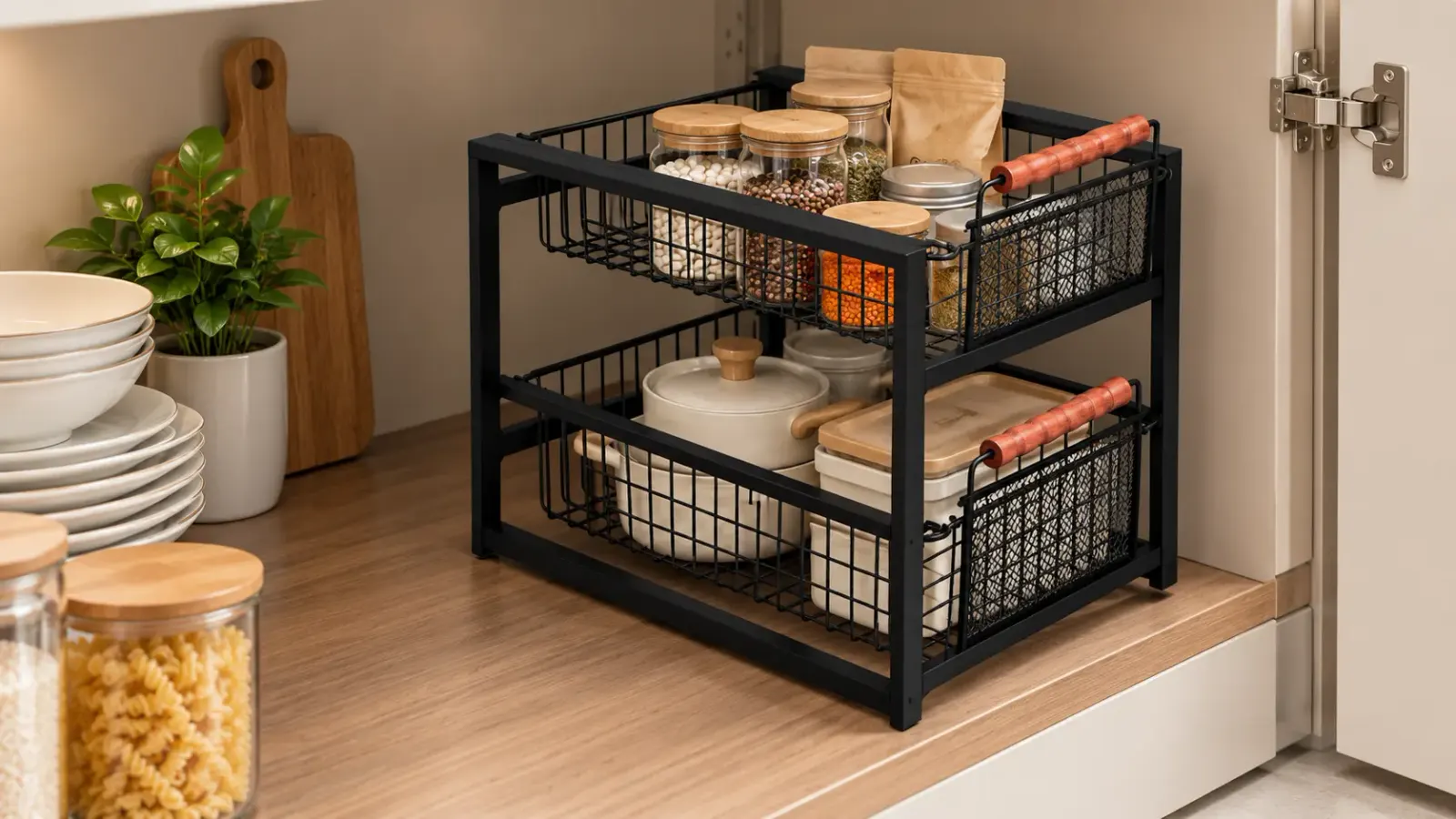
Steel or plastic?
Plastic organisers are light and suit light things. Steel organisers, with their stronger structure, suit dishes, plates, jars and heavier things, though how much any organiser carries depends on its design and build.
How to choose the right organiser
Measure the cabinet first: the usable width, depth and height decide which models fit. Then think about what goes in it: dishes need a surface strong enough for their weight, pans need room for their handles, and food needs to stay visible. For sliding and door organisers, allow room for them to move.
Can you combine several in one cabinet?
Yes, and the best results often come from combining them: a shelf insert for a second level beside an upright rack for trays, or a tiered organiser for small packets beside sliding baskets for heavier things.
Merolin cabinet organisers
Merolin makes steel organisers for kitchen cabinets, designed to use the space better and make everything easier to reach, from the Taghche cabinet shelf to the Elite sliding organiser. See the full range of organisers.
In short
All cabinet organisers share one aim, better use of space and easier reach, but each gets there differently: shelf inserts and tiered models use the height, racks give each thing its place, and sliding organisers bring the back of the cabinet to you.
What is the most useful cabinet organiser?
It depends on the cabinet and its contents. For tall cabinets, shelf inserts and tiered models are very useful; for deep cabinets, sliding models give better access.
What organiser suits a small cabinet?
Shelf inserts, upright racks and organisers that use the cabinet’s height, because they add usable space without a bigger cabinet.
Is a shelf insert the same as a cabinet organiser?
It is one kind of organiser. Its job is to add a level inside the cabinet and make better use of the vertical space.
What should I measure before buying?
The usable width, depth and height inside the cabinet, and for sliding or door models, the room they need to move or open.
Not sure which to choose?
Merolin's sales advisers are here to help.